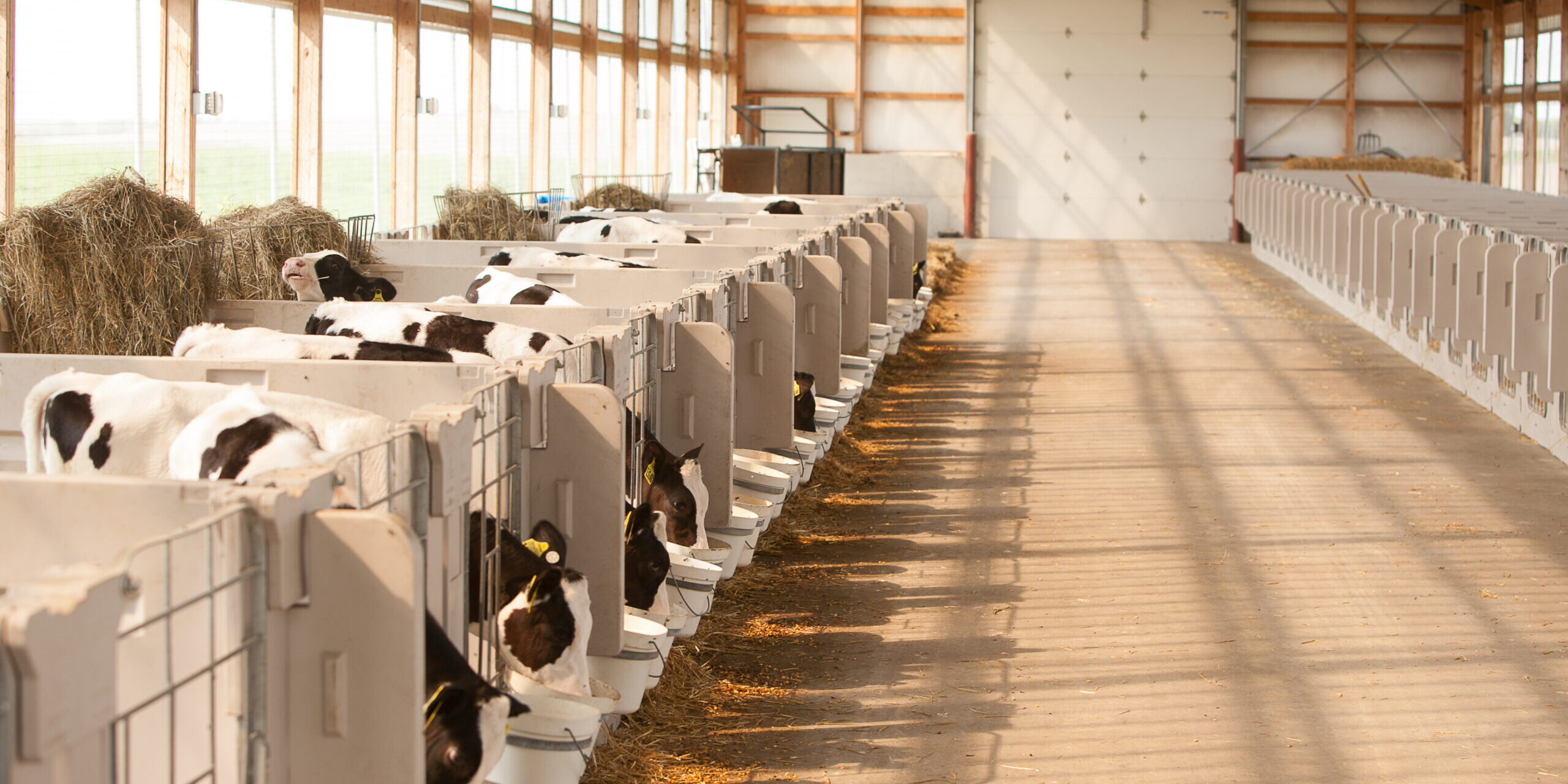
In recent years, animal welfare has become a growing topic of conversation at the meat counter and dinner table. Across the U.S., several states have passed legislation limiting or banning specific livestock housing systems. As these efforts gain momentum, broader discussions have emerged about how farm animals are housed and cared for.
Welfare Concerns Raised
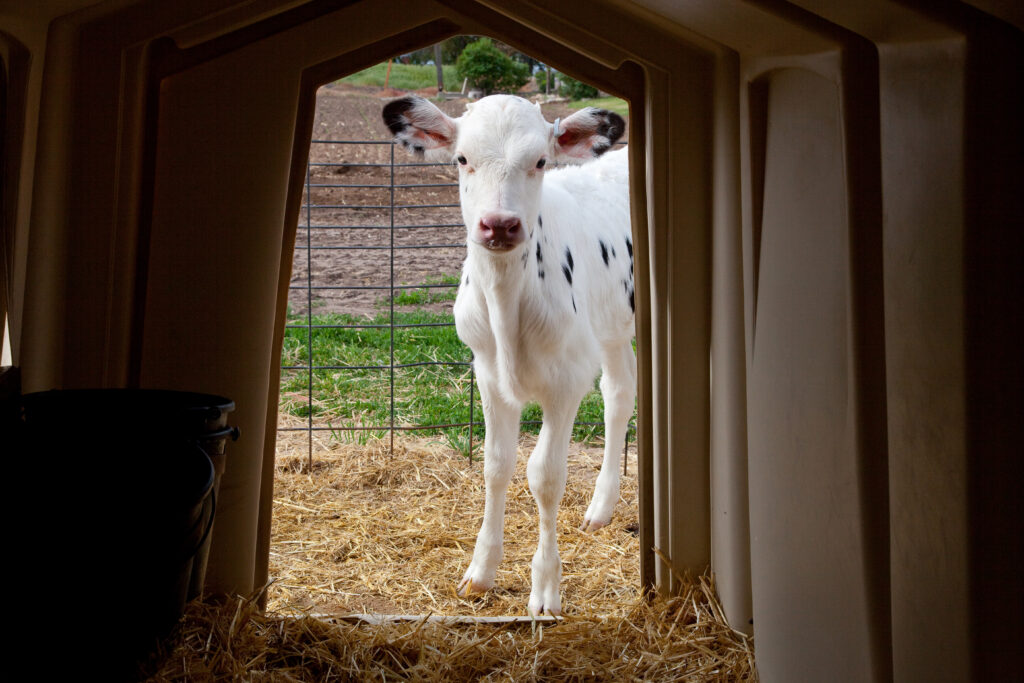
One housing system that has received increased attention in these discussions is the use of individual calf hutches on dairy farms. A calf hutch is an individual covered shelter that gives each calf its own clean, protected space during its first weeks of life. Hutches can be placed outside or inside and measure on average 30-32 square feet of resting space per calf. Animal rights activists often criticize individual housing systems because calves are naturally social animals. Activists argue that raising calves individually may limit opportunities for social interaction, natural play behaviors, and cognitive development. Some also raise concerns about restricted movement and potential exposure to weather extremes in outdoor environments.
Why Dairy Farmers Use Hutches
Calf hutches were designed with one goal in mind: to give calves a strong, healthy start. According to Farmers Assuring Responsible Management (FARM), when calves are born, their immune systems are immature. They rely on early care and nutrition to build protection, similar to a baby that needs extra support early on. That is where hutches come in. They act as a protective space during those first critical 8-12 weeks in pre-weaning, helping calves stay healthy until their immune systems are stronger.
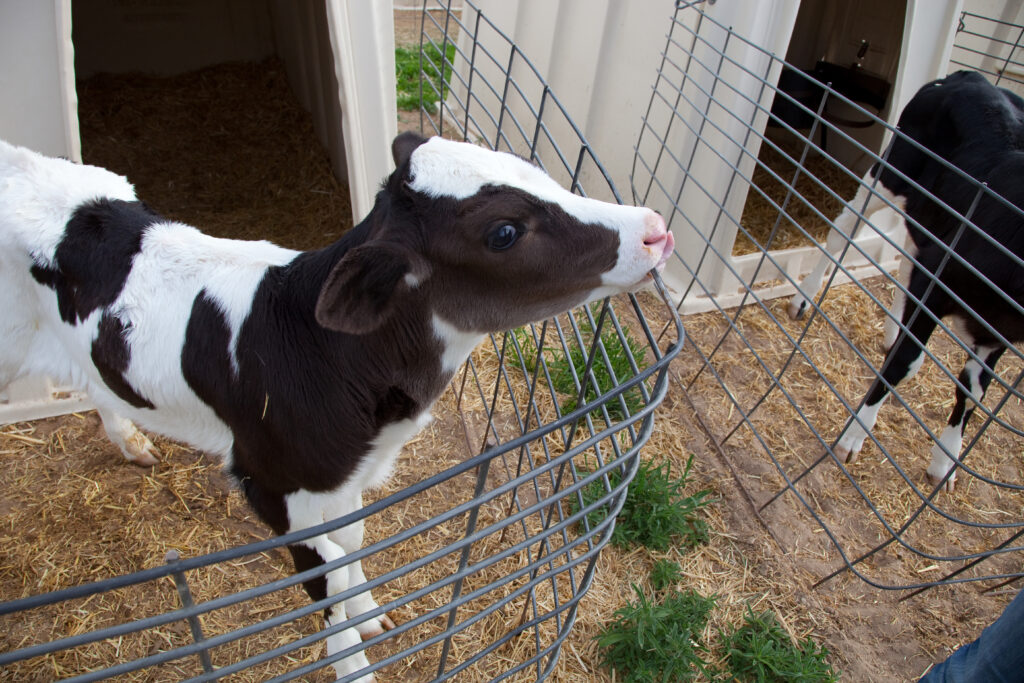
Because calves are more vulnerable to disease at this stage, individual housing can make a big difference. Keeping calves separate helps reduce the spread of illnesses such as scours and respiratory disease, according to Washington State University Veterinary Medicine Extension. It also makes it easier for farmers to keep a close eye on each calf and provide individualized care. Small changes in appetite or behavior are easier to catch, which means calves can get the care they need right away.
Hutches today are designed with calf comfort and well-being in mind. They give calves enough space to stand up, lie down, turn around, and move comfortably. According to University of Minnesota Extension specialists, when managed properly, they are placed in an area that allows good airflow while still protecting calves from wind, sun, and extreme temperatures. Maintaining clean environments also reduces pathogen exposure, allowing calves to devote more energy towards growth rather than fighting off disease and infection.
Calf hutches are one of the many ways dairy farmers use science and research to prioritize calf health from day one. A clean, well-ventilated hutch helps calves stay healthy and use their energy for growth, setting them up for success in the future.
Improving Calf Welfare
The dairy community has also worked to strengthen calf welfare through science-based programs and best management practices. One example of this is the Calf Care Quality Assurance (CCQA) program, which provides training and guidelines to help farmers maintain high standards of animal care. Launched in 2021, the CCQA program outlines recommended practices for calf housing, feeding, health monitoring, and handling. It also encourages farmers to work with veterinarians to develop protocols that support calf comfort, sanitation, and disease prevention. Programs like CCQA demonstrate that dairy farmers view calf welfare as a top priority. By implementing structured training and management practices, farms can continually evaluate and improve how calves are raised.
Looking Ahead
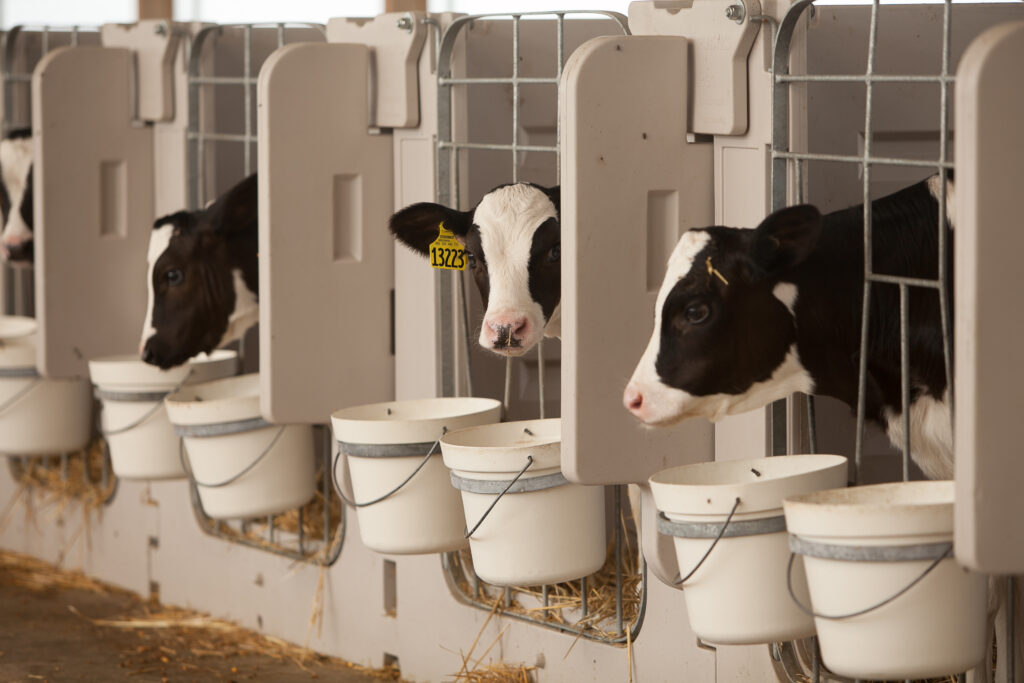
As conversions about farm animal welfare continue to evolve, calf housing systems remain a key part of raising healthy livestock. Industry leaders, researchers, and dairy farmers work together to ensure calves are housed in safe and comfortable environments. Housing systems like calf hutches protect young calves during a vulnerable stage of life, especially when paired with proper management, sanitation, and attention to calf comfort. By following science-backed practices, the dairy community strengthens both calf health and overall welfare. Programs like CCQA continue to guide these collaborative efforts and support ongoing animal welfare standards in calf care. If you have questions about how dairy cattle are raised or are curious about how current legislation could impact the dairy community, consider reaching out to your local farmer or state checkoff organizations. They can provide reliable information to help you stay informed.
Sources:
- https://www.calfcareqa.org/Media/CalfCare/Docs/ccqa-manual_digital.pdf
- https://www.ers.usda.gov/amber-waves/2023/april/farm-animal-welfare-policies-cover-breeding-sows-veal-calves-or-laying-hens-in-14-u-s-states
- https://www.canr.msu.edu/news/raising-bar-for-calf-care
- https://extension.umn.edu/dairy-youngstock/healthy-calves#clean-housing-725712
- https://nationaldairyfarm.com/2015/10/19/how-dairy-farmers-care-for-calves/#:~:text=This%20practice%20has%20become%20an,visit%20our%20Animal%20Care%20section.
- https://s3.wp.wsu.edu/uploads/sites/2147/2015/03/CalfEnv3-HutchesorGroupPens1.pdf
- https://dairycarrie.com/2019/06/10/what-are-calf-hutches/
All posts are the opinion of the author and do not necessarily represent the view of the Animal Ag Alliance.