
Managing Disease Through Strong Biosecurity Practices
Farm life is busy year-round, especially in times when environmental temperatures are increasing. Calving is underway, lambing season is wrapping up, and many farmers are managing an uptick in animal health challenges. As temperatures rise, moisture levels shift, and wildlife activity increases, disease risk also increases. This seasonal transition highlights the importance of reinforcing strong biosecurity practices on the farm.
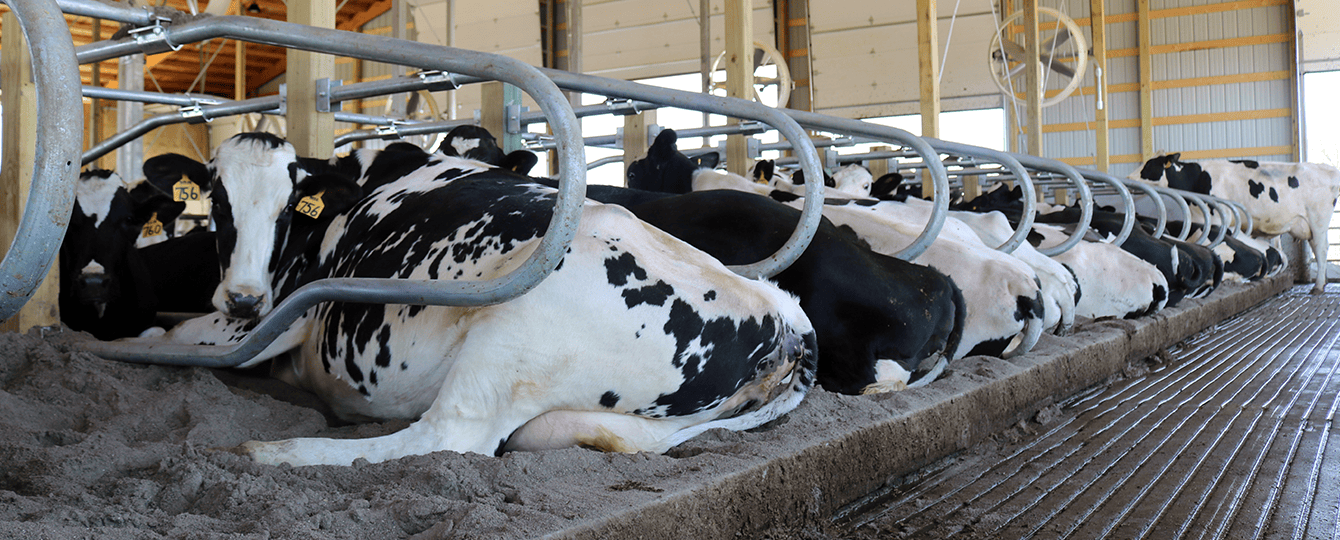
For livestock farmers, supporting animal comfort, health, and overall well-being is especially important as warmer weather sets in. During warmer weather, livestock often experience heat stress, which can reduce feed intake and weaken immune function, leaving animals more vulnerable to respiratory illness, infections, and metabolic disorders.
Prioritizing daily care such as consistent access to cool, clean water, adequate shade, and proper ventilation through fans or misters can help minimize stress and support overall herd resilience. When animals are comfortable, they are better positioned to stay healthy, helping to provide safe, high-quality food for families and consumers.
Shifting moisture levels, including high humidity and heavy rainfall, can create the perfect environment for bacteria, parasites, and other disease-causing organisms to thrive. These environmental changes increase livestock exposure as animals move through wet ground and graze. These conditions can increase the risk of foot rot, skin infections, parasitic outbreaks, and reduce forage quality. To help limit these risks, farmers can strengthen biosecurity measures by improving drainage, moving livestock to higher ground when needed, maintaining routine veterinary herd checks, and providing access to dry bedding.
In today’s livestock community, when discussions around wildlife-related diseases arise, most immediately shift to avian influenza due to its high prevalence and its detrimental impacts. As migratory bird activity increases in the spring, farms can see greater exposure to contaminated droppings, water sources, feed areas, and shared environments. To protect livestock, the United States Department of Agriculture’s Animal and Plant Health Inspection Services (APHIS) suggests restricting access to the premises, isolating new, borrowed, or returning animals for at least 30 days, and managing wildlife attractants.
Spring brings new growth and opportunity, but it also brings new disease challenges that can quickly turn routine herd management into time-consuming treatment efforts. This is why biosecurity cannot be treated as a seasonal afterthought. By proactively addressing heat stress, moisture-related health risks, and wildlife exposure, farmers reinforce their commitment to responsible animal care and long-term herd health. These preventative steps help minimize stress, support animal comfort, and create conditions where livestock can thrive. As the season changes, prevention should remain a priority because strong biosecurity reflects the stewardship, responsibility, and trust at the core heart of animal agriculture.
All posts are the opinion of the author and do not necessarily represent the view of the Animal Ag Alliance.