“What’s for lunch?”
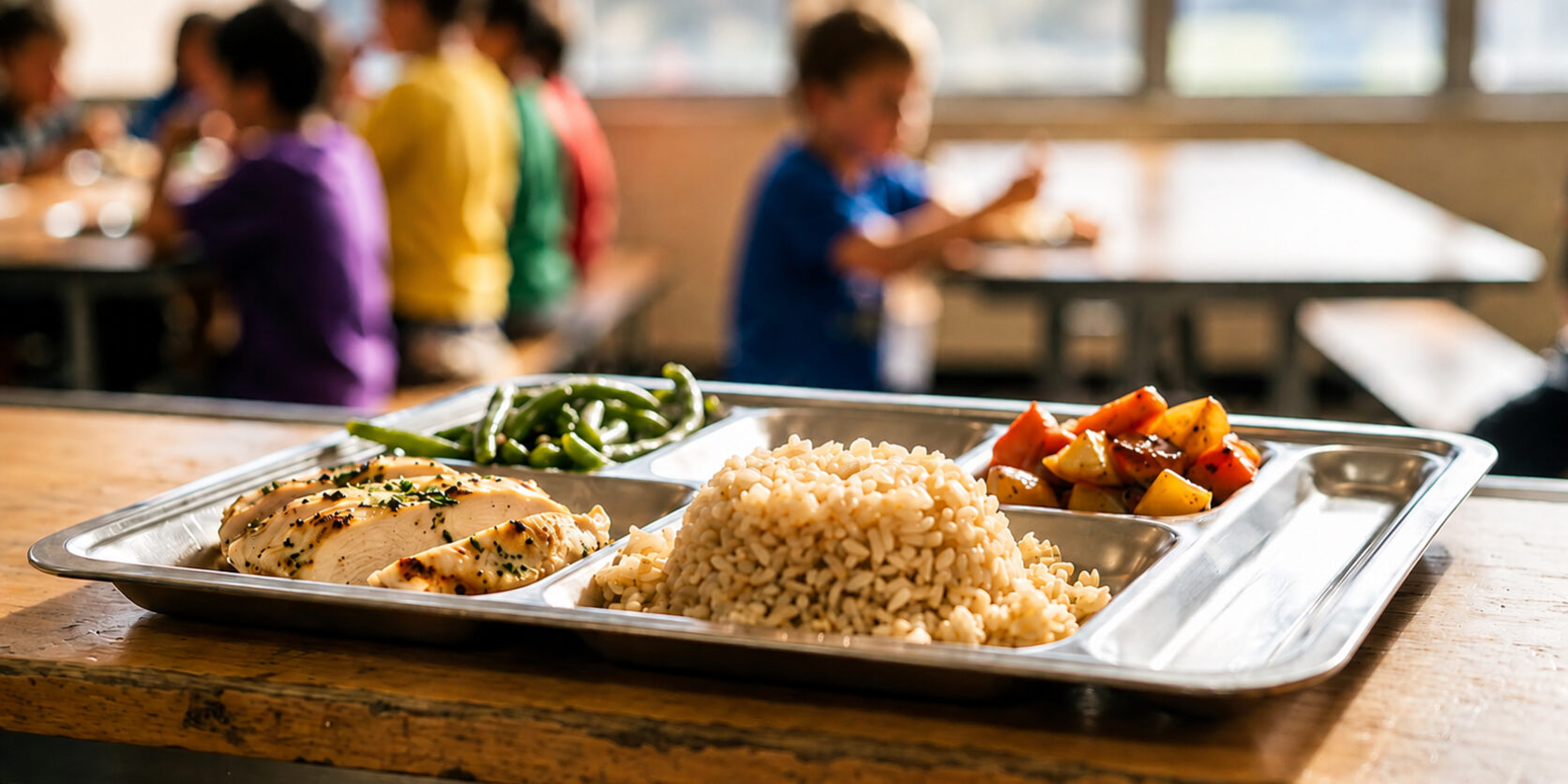
It’s a question students have been asking for generations. Whether they’re checking the cafeteria menu or comparing lunches with friends, mealtime is an important part of the school day —and an opportunity to provide the nutrition children need to learn and grow.
As students head back to the classroom, millions of breakfasts and lunches will be served in schools across the country each day. In fact, nearly 30 million children participate in the U.S. Department of Agriculture’s (USDA) National School Lunch Program each school day, while nearly 15 million receive breakfast through the School Breakfast Program. Behind every meal is a coordinated effort involving school nutrition professionals, farmers, ranchers, food companies, distributors, and federal nutrition programs—all working together to provide students with safe, nutritious meals that support learning, growth, and development.
School meals served through these programs are designed to meet science-based nutrition standards. The standards help ensure students receive balanced meals that include fruits, vegetables, whole grains, dairy, and protein-rich foods. Many of the animal-derived foods served in school cafeterias are provided through the USDA Foods Program, which purchases products from American farmers and ranchers and supplies them to schools participating in federal meal programs. This partnership helps connect students with nutritious foods while supporting U.S. agriculture.
Animal agriculture provides many of the nutrient-dense foods students rely on throughout the school day. Foods such as milk, eggs, beef, seafood, turkey, pork, and chicken provide high-quality protein along with essential vitamins and minerals that support growth, muscle development, brain function, and overall health.

Dairy foods provide calcium, vitamin D, potassium, and protein that support healthy bones and overall growth. Eggs supply complete protein and choline, an essential nutrient for brain development. Lean meats such as beef, pork, chicken, seafood, and turkey provide high-quality protein along with important nutrients including iron, zinc, and B vitamins that help support energy production, cognitive development, and overall health.
While every student has unique dietary needs and preferences, animal-derived foods remain an important part of many school meal programs because they provide a wide range of nutrients in forms the body readily uses. School nutrition professionals work hard to create menus that meet federal nutrition standards while accommodating allergies, dietary restrictions, and local preferences.
Behind these meals are farmers and ranchers who care for their animals and are committed to producing safe, wholesome food. Working alongside veterinarians, animal nutritionists, food safety experts, processors, and transportation partners, farmers help ensure students receive nutritious foods produced under rigorous animal care and food safety standards.
School nutrition professionals also play a vital role. They carefully plan menus, manage food budgets, follow food safety protocols, and prepare meals that appeal to students while meeting USDA nutrition standards. Their work connects agriculture with the students and families who rely on school meals every day.
School meals also provide an opportunity to strengthen understanding of where food comes from. By connecting students and families with the farmers, ranchers, veterinarians, and food professionals who produce their food, we can help build trust in modern animal agriculture and encourage informed conversations about the food system.
Back-to-school season is a reminder that agriculture reaches far beyond the farm. Every breakfast and lunch served in school cafeterias reflects the dedication of farmers, ranchers, nutrition professionals, food manufacturers, distributors, and countless others working together to nourish the next generation. Through science-based nutrition, strong food safety systems, and a shared commitment to producing safe, wholesome food, animal agriculture helps fuel student success—one school meal at a time.
Sources:
https://www.fna.usda.gov/nslp/national-school-lunch-program-nslp
https://www.fna.usda.gov/sbp/school-breakfast-program
https://www.fna.usda.gov/usda-fis
https://www.fna.usda.gov/cn/school-nutrition-standards-updates