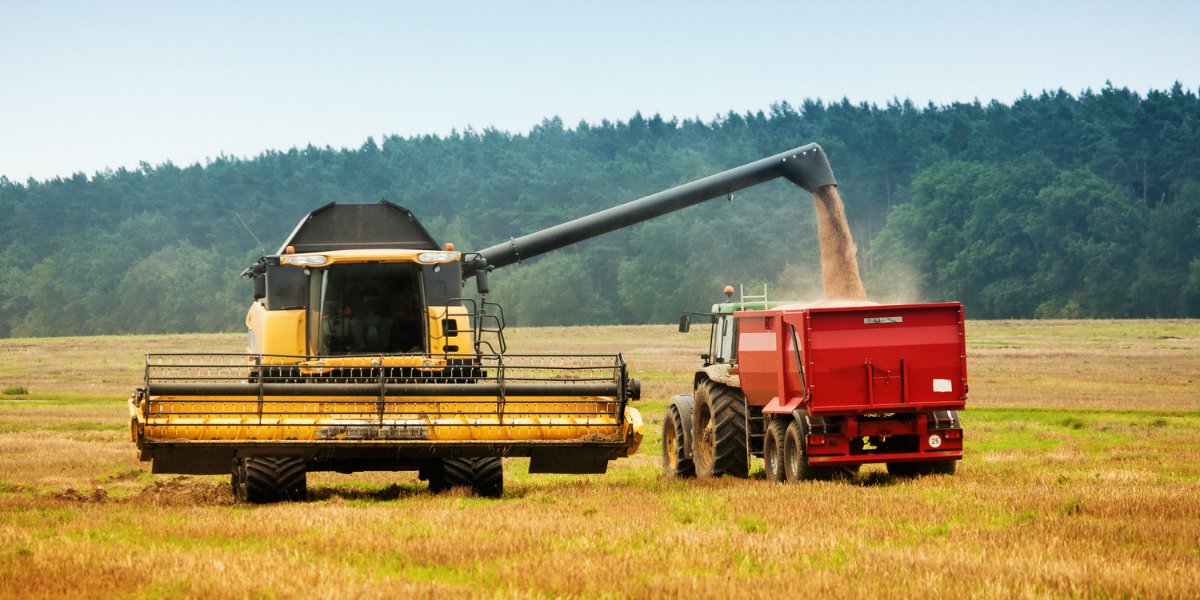
As summer fades into fall, farmers across the country are busy harvesting the crops they’ve spent months planting and growing. From the cornfields of the Midwest to soybean fields across the Plains and cotton fields in the South, fall harvest is one of the most important seasons in American agriculture.
The work happening during harvest reaches far beyond the fields. Crops provide food and materials used by Americans every day while also supplying essential feed ingredients that help livestock and poultry farmers provide balanced, nutritious diets for their livestock. In many ways, the fall harvest is the starting point for a supply chain that connects crop farmers, feed manufacturers, livestock and poultry producers, and consumers.
From the Field to the Feed Trough
For livestock and poultry producers, a successful harvest helps provide the ingredients needed to deliver consistent, nutritious diets throughout the year. Corn, soybeans and other feed ingredients provide important sources of energy, protein, and other nutrients that support animal health and well-being.
Corn is the primary feed grain produced in the United States, and USDA estimates that approximately 40% of domestic corn use goes toward animal feed. Soybeans play an important role as well, with approximately 45% of U.S. soybean meal used for livestock and poultry feed. Once processed, soybean meal is a protein-rich ingredient widely used in livestock and poultry diets. Animal nutritionists carefully formulate diets based on an animal’s species, age, and stage of production, making the quality and availability of ingredients harvested each fall an important part of meeting animals’ nutritional needs year-round.
But feed is just one part of the story. The crops harvested this fall will also make their way into countless products and industries, demonstrating how agriculture makes the most of its resources and connects to everyday life.
More Than What’s in the Grain Bin
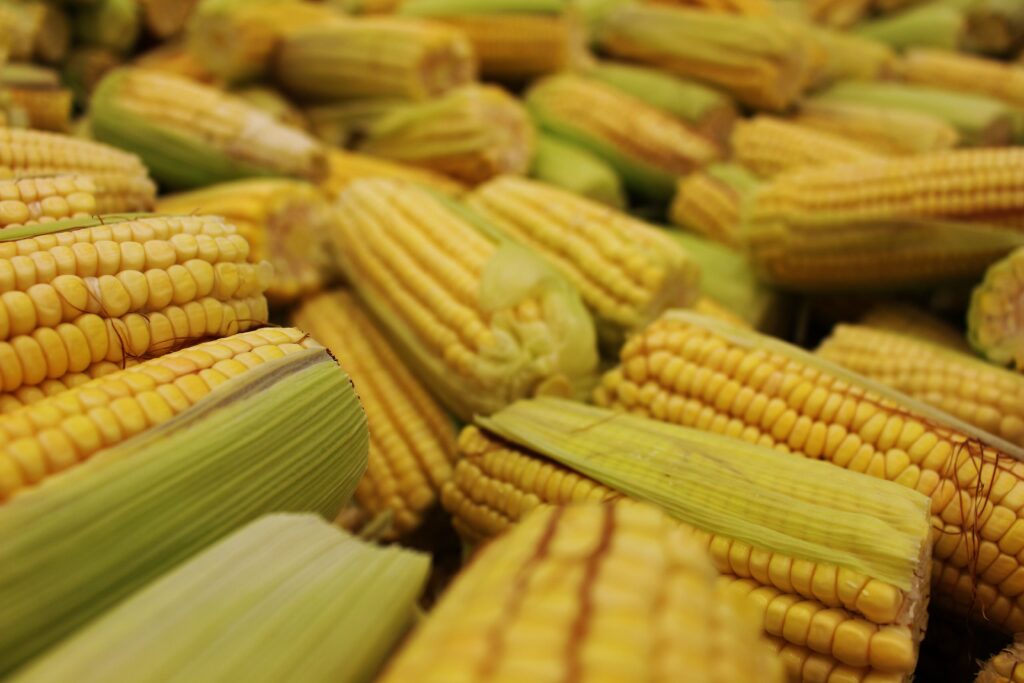
A field of corn or soybeans may look like a single crop, but their uses extend well beyond what we see at harvest.
Corn can be processed into food ingredients such as starch, sweeteners, corn oil, and corn flour. It is also used to produce ethanol and other industrial products, with co-products from ethanol production providing valuable ingredients for livestock diets. Soybeans are processed into soybean meal for animal feed and soybean oil for use in food, biodiesel, and other products. Soybean meal is one of the most widely used protein sources in animal feed.
Cotton provides fiber for clothing and textiles, while cottonseed and cottonseed meal can provide valuable ingredients for livestock diets. Wheat becomes flour, bread, pasta, and other foods, while some co-products from wheat milling can also be used in animal feed. Rice, sorghum, barley, and other crops contribute to food, feed, fuel, and manufacturing.
The result? A harvest that starts in a field can end up in a grocery store, a livestock operation, a fuel tank, a manufacturing facility, or products we use every day. This interconnected system allows crops and co-products to provide value across the food, agriculture, and consumer supply chains, including nutritious feed ingredients for livestock and poultry.
Harvest Comes with Responsibility
Producing a harvest large enough to support all these needs takes more than planting a seed and waiting for it to grow. Farmers navigate weather, pests, crop conditions, equipment needs, storage and transportation throughout the growing season.
Once crops are harvested, proper drying, handling and storage help maintain quality and safety. Managing moisture, monitoring stored grain, and protecting feed ingredients from spoilage or contamination are important steps in maintaining the quality of ingredients used in animal diets. Reliable transportation helps move those crops where they are needed, whether that means a grain elevator, processing facility, feed mill, or destination farm.
Every step matters. Protecting crop quality and maintaining a reliable agricultural supply chain help ensure farmers have access to safe, high-quality feed ingredients that support animal health and well-being while keeping food and other agricultural products moving through the supply chain.
Agriculture Connects Us All
Crop and livestock farmers are closely connected, each playing an important role in the broader agricultural system. Crop growers provide essential feed ingredients for livestock and poultry, while livestock and poultry provide an important market for crops and co-products. In turn, manure from livestock and poultry can provide valuable nutrients for cropland, helping bring the connection full circle.
Farmers and ranchers produce the food we eat, the feed that sustains livestock and poultry, the fiber used in our clothes, and countless ingredients that go into products we use every day. Behind all of it are people making decisions, managing resources, adapting to challenges, and putting in the work to keep agriculture moving forward.
This fall, as harvest equipment moves through fields across the country, it’s worth remembering that what farmers bring out of those fields doesn’t stay there. It moves through communities, industries and supply chains, helping nourish livestock and poultry, support farmers and ranchers, and ultimately provide the food, fuel and fiber Americans rely on every day.
Sources:
https://www.ers.usda.gov/topics/crops/corn-and-other-feed-grains/feed-grains-sector-at-a-glance