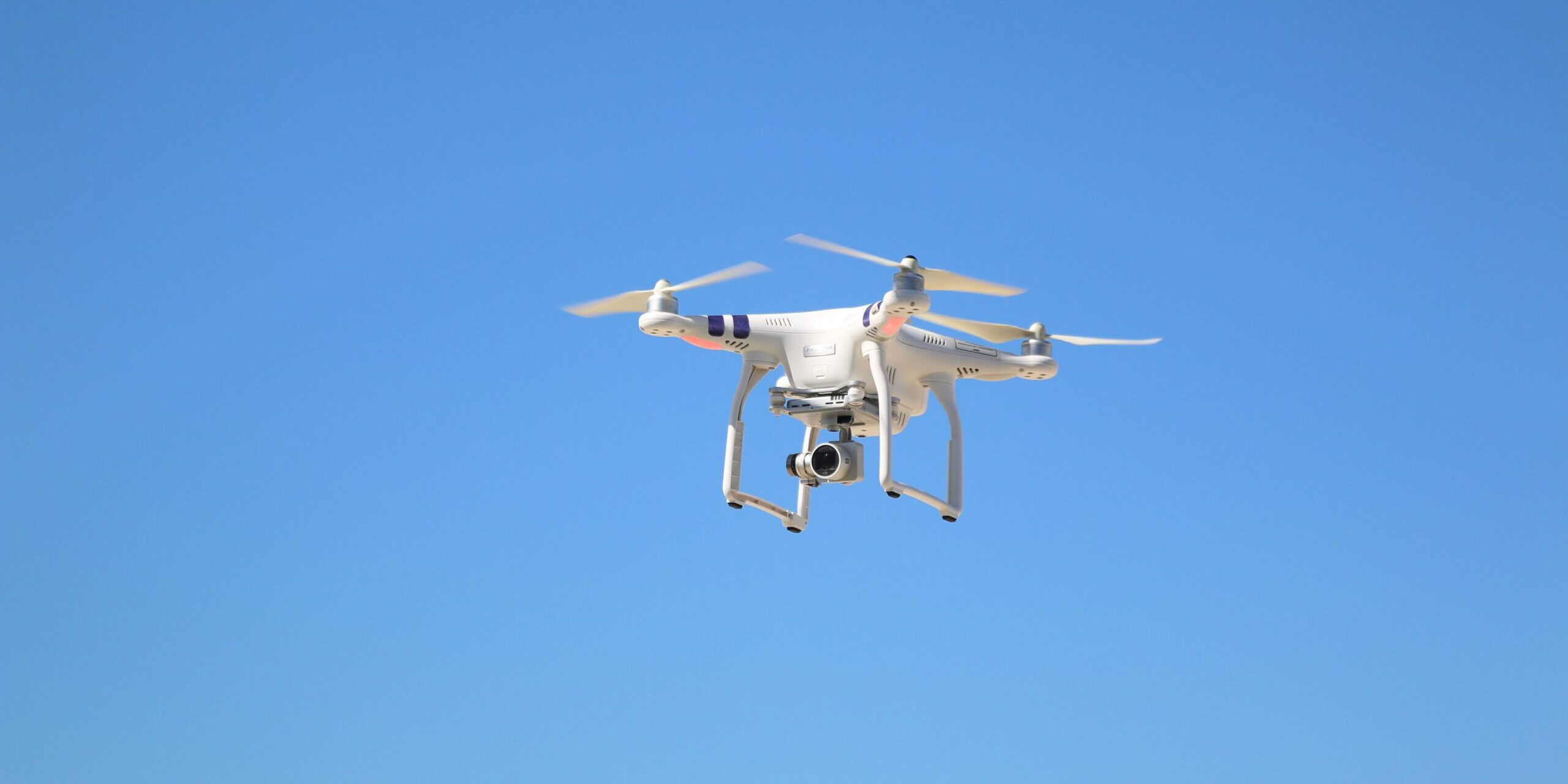
It all starts with a faint buzzing overhead. At first glance, it’s impossible to know whether the drone flying over your dairy is being operated by a neighboring landowner, a recreational hobbyist, a utility company, or someone with more concerning intentions. As drones become more common in rural communities, dairy producers are facing a new reality: protecting their operations no longer stops at the farm gate—it extends into the air above it.
Drones have become valuable tools in agriculture, helping producers monitor crops, inspect infrastructure, evaluate drainage, and even locate livestock. Their affordability and accessibility have made them a practical tool on many farming operations.
Like any technology, drones can also be misused. Animal rights activist groups have increasingly incorporated drone footage into campaigns targeting animal agriculture, including dairy farms. Aerial images and videos are often selectively presented in online campaigns, documentaries and media stories, lacking the context and understanding necessary to accurately reflect routine animal care, veterinary treatment, and daily farm management. Beyond privacy concerns, unauthorized drone activity can also raise questions about biosecurity, employee safety, and overall farm security. As drone use continues to grow, dairy producers should consider aerial security as another important component of a comprehensive farm security plan.
More Than a Privacy Concern
When producers think about drones, privacy is often the first concern. But unauthorized drone activity presents broader challenges than simply taking pictures or videos. Repeated flights over calf barns, maternity pens, feed storage, manure management systems, or milking parlors can reveal operational details that bad actors may use to support campaigns against animal agriculture. Images captured from above may also be shared without context, creating misleading narratives of routine dairy practices.
Drone activity can also interfere with day-to-day operations. While dairy cows become accustomed to normal farm equipment and routine activity, unfamiliar aircraft flying at low levels may startle animals or distract employees working around livestock. During activities that require focused animal handling—such as moving cattle, assisting with calving or loading cows and heifers for transport—even small distractions can create unnecessary stress and unsafe situations for both people and animals. It’s important to remember that not every drone represents a threat. Surveyors, utility companies, neighboring landowners, and recreational users all operate drones legally. The key is recognizing unusual or repeated activity that warrants additional attention.
See Your Dairy from a New Perspective
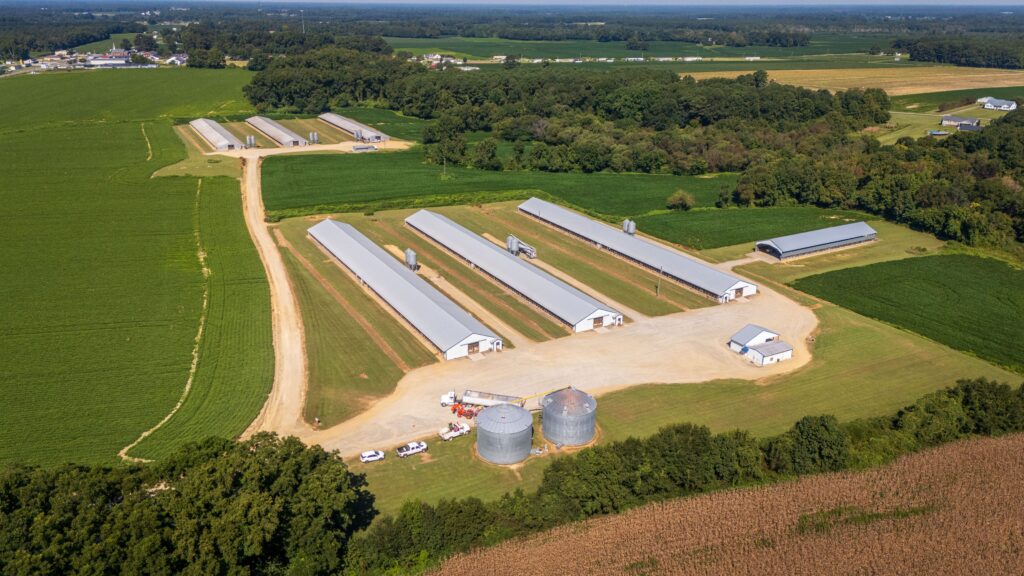
One of the most valuable security exercises doesn’t require responding to a drone at all. Instead, take a fresh look at your dairy from an aerial perspective and ask a simple question: If someone viewed my operation from above today, what would they see?
Would visitors immediately recognize biosecurity measures? Are mortality management areas appropriately handled? Could routine veterinary care or animal handling activities be misunderstood if viewed through a short video clip with no explanation? Are medical storage, treatment facilities, or loading and unloading zones exposed? Thinking through these questions isn’t about changing how you farm to satisfy critics. It’s about identifying opportunities to strengthen security, improve communication, and reinforce the high animal welfare standards that already exist on your operation.
The Animal Agriculture Alliance recommends periodically evaluating outdoor areas visible from above, reviewing security practices, reinforcing visitor and biosecurity protocols, and identifying operational areas where simple changes, such as additional screening, improved signage, or restricted access, can further strengthen your overall farm security.
Know What to Do Before It Happens
When suspicious drone activity occurs, preparation is far more valuable than reacting in the moment. Every dairy should establish clear internal reporting procedures, so employees know exactly what to do if they observe unusual drone activity. Drone patterns can be more easily identified by designating a point person for security and drone-related incidents, training employees to report facts rather than emotions, and maintaining documentation of recurring activity. It is also important to know where documentation and reports should go, whether it is local law enforcement or another unit, as this varies state to state.
If suspicious activity occurs, document as much information as possible while avoiding confrontation. Record the date, time, and duration of the flight. Make sure to take note of the drone’s flight path and proximity to livestock housing, barns, or other sensitive areas, and photograph or video the drone if it can be done safely. When possible, pull security camera footage and document associated vehicles, license plates, or individuals nearby. These details may become valuable if law enforcement identifies repeated or coordinated activity in the surrounding area.
It is just as important to know what not to do.
Federal law treats drones as aircraft, making it illegal to shoot down, disable, or otherwise interfere with their operation. While it may be tempting to confront the operator or attempt to remove the drone, doing so can create significant legal and safety risks. Instead, focus on observation, documentation, and reporting to the appropriate authorities.
Rather than waiting until an incident occurs, dairy producers should also proactively build and establish relationships with local law enforcement. Drone technology is evolving rapidly, and many agencies are still developing protocols for responding to these situations. Starting conversations before an incident can improve communication and response if suspicious activity occurs.
Strong Management Is Still Your Best Defense
Technology will continue to evolve, but one thing remains constant: strong management practices are the best defense against attempts from animal activist organizations trying to misrepresent your operation and the dairy community. Dairies that prioritize employee training, consistent animal handling, strong biosecurity protocols, and well-maintained facilities are better prepared if questions ever arise about their farming operation. Regularly reviewing standard operating procedures, reinforcing animal welfare standards and expectations, and ensuring employees understand and execute proper handling techniques all contribute to both excellent animal care and a stronger security position.
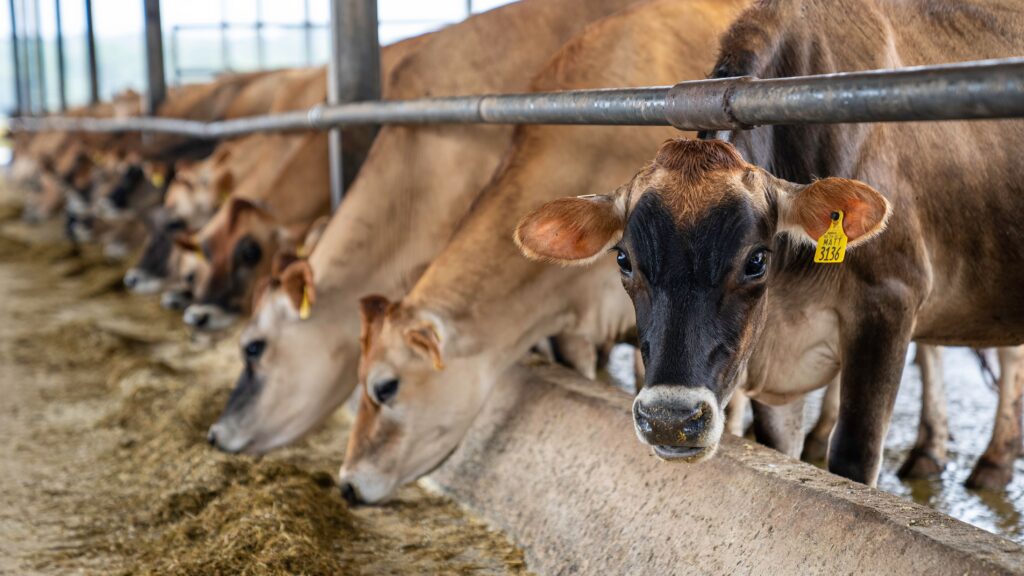
Every dairy has management practices that may appear unfamiliar to someone without an agricultural background. Veterinary treatments, calving assistance, herd rotation, and routine health procedures all require context. When employees consistently follow established protocols, producers are in a stronger position to explain those practices if images or videos are ever shared publicly.
Preparation Is the Best Protection
Drone technology will continue to provide valuable benefits for the agriculture community, and many dairy producers are already using it to improve efficiency and decision-making. At the same time, unauthorized drone activity is a rising threat.
Preparation, and not panic, is the best response.
By evaluating the farm and operation from an aerial perspective, training employees, documenting suspicious activity, strengthening biosecurity, and developing clear response procedures, dairy producers can reduce risk while continuing to focus on what matters most: providing the highest animal welfare standards for their cattle and producing safe, wholesome dairy products for consumers. The dairies best prepared for the future won’t necessarily be those that never see a drone overhead. They will be the operations that have already developed a plan long before the buzzing begins.
To learn more farm security tips, visit the Alliance’s website.
Originally published by Progressive Dairy. This article was written by Grace Simpson, manager, member relations and communications of the Animal Agriculture Alliance, and first appeared on Progressive Dairy. It is republished here with permission. Read the original article on Progressive Dairy.