Halloween may be known for spooky stories and scary surprises, but some of the most persistent myths can be found much closer to home—in the grocery aisle, across social media, and around the dinner table.
When it comes to food and agriculture, faulty information can quickly blur the line between fact and fiction. Questions about nutrition, food safety, production practices, and where our food comes from are important, and you deserve accurate information to help you make informed choices.
This October, we’re taking a closer look at five common food myths and uncovering the facts behind them. From how beef is raised to the nutrients found in animal protein, let’s separate misconceptions from the realities of modern food and agriculture.
Myth #1: Red meat is bad for you.
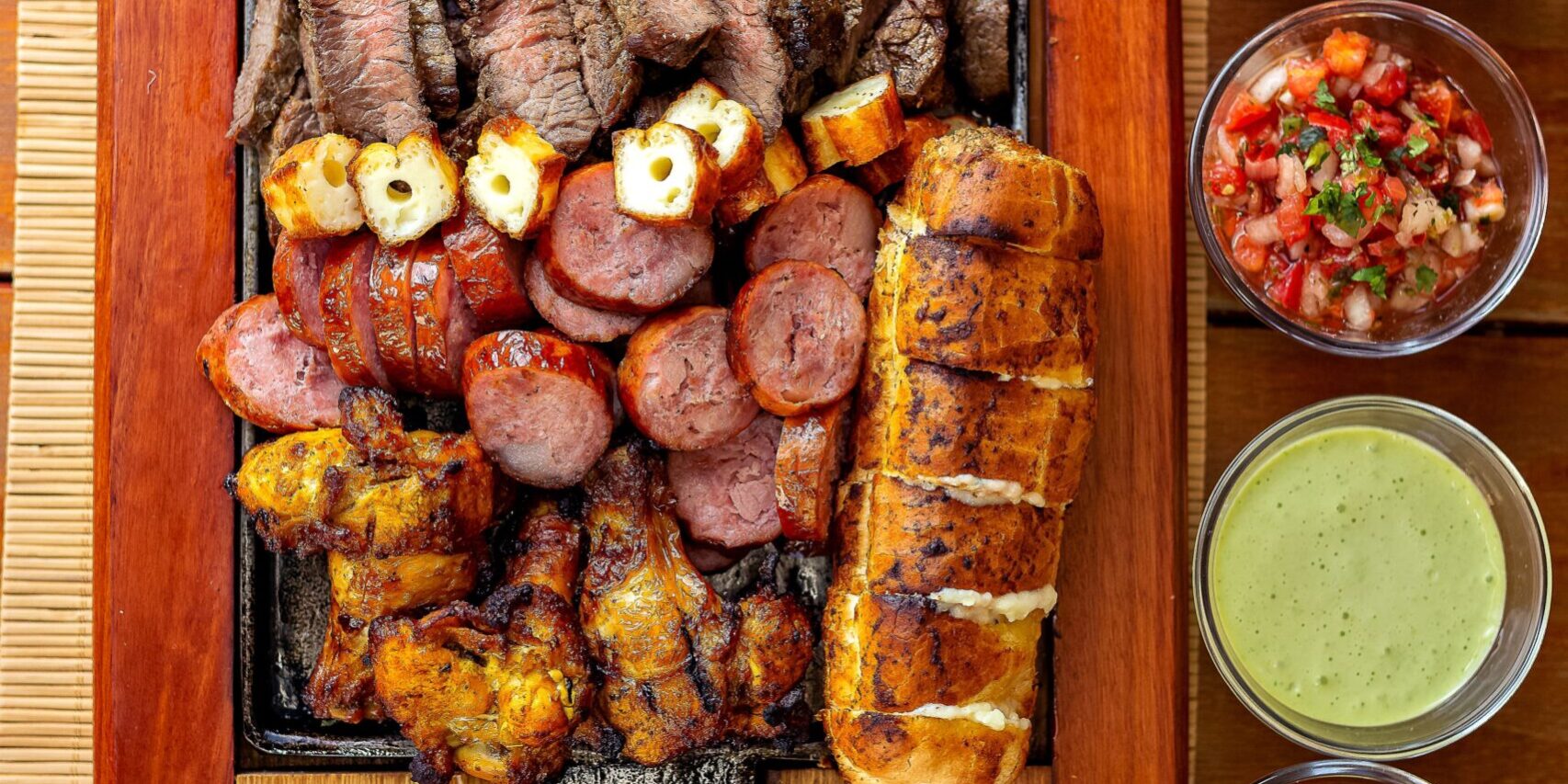
Fact: Research shows that lean red meat can be part of a balanced diet when consumed alongside other important nutrients like fruits, vegetables, and whole grains. Red meat can also provide important nutrients like high-quality protein, iron, zinc, and vitamin B12. Rather than labeling individual foods simply as “good” or “bad,” nutrition is better understood in the context of overall dietary patterns, individual nutrient needs, and moderation.
The Animal Agriculture Alliance’s Meat vs. Myth Blog explores common misconceptions about red meat and the nutrients it provides: Meat vs. Myth: What You Need to Know About Red Meat
Myth #2: You should wash raw meat before cooking it.
Fact: This one may sound like a good kitchen habit, but washing raw meat can spread harmful bacteria around your kitchen through water droplets and splashes. Washing or soaking meat does not eliminate bacteria. Instead, properly cooking meat to the recommended internal temperature is an important step in keeping food safe.
So, when it comes to raw meat, skip the sink and reach for a food thermometer instead. Find out more here: Should You Wash Meat Before Cooking It?
Myth #3: Food production ends at the farm.
Fact: There is an entire network of people and processes behind the food you find on grocery store shelves. Farmers and ranchers work alongside veterinarians, animal nutritionists, processors, transportation companies, retailers, and many others to move food from the farm through the supply chain and ultimately to consumers.
That package of ground beef or those turkey burgers have a much bigger story behind them than the grocery aisle might suggest. Learn more: From on the Farm to the Grocery Store Shelves
Myth #4: Grass-fed cattle are the only cattle raised on pasture.
Fact: Beef labels can be more complicated than they appear. Most cattle are born on pasture and consume forage, such as grass and hay, as part of their diets. Some cattle are also supplemented with grains for extra energy. Terms such as “grass-fed,” “grass-finished,” “grain-fed” and “grain-finished” simply provide a look into the different feeding practices and production methods used. Understanding the differences behind these terms can provide important context about how cattle were raised and fed.
Learn more: Beef Labels Busted: What’s Really on Your Plate?
Myth #5: The food pyramid tells us exactly what we should eat.
Fact: Nutrition guidance evolves as scientific understanding and dietary recommendations change. The Dietary Guidelines for Americans provide recommendations for healthy dietary patterns while recognizing the role nutrient-dense foods, including meat, poultry, seafood, eggs and dairy, can play in meeting nutritional needs.
The bigger takeaway? Nutrition isn’t a one-size-fits-all equation. Understanding where recommendations come from—and the nutrients different foods provide—can help you make informed choices that work for you and your family.
Keep reading: Rethinking the Food Pyramid: What the New Dietary Guidelines Mean for Protein
Don’t Let Food Myths Haunt Your Grocery List
The scariest thing about a food myth isn’t that it exists—it’s that misconceptions can shape the way people think about what they eat and where their food comes from.
When it comes to nutrition, food safety, and modern animal agriculture, credible information matters. This October, don’t let food myths haunt your grocery list. Take a closer look, ask questions, and seek out reliable sources to better understand the food on your plate.