Did you miss part 1 of our “High Steaks: Navigating Pressure on Animal Protein” blog series? Check it out here before continuing!
Facing the Pressure Head-On
The conversation around current pressures facing animal agriculture continued during “Fired Up: Navigating Pressure Points on Animal Protein,” an in-depth panel moderated by Marcy Tessmann of C.O.nxt and featuring Collette Kaster of the American Meat Science Association, Brian Earnest of CoBank, and Brooke Taylor of Empire Ag.
Panelists explored pressures on animal agriculture through global, consumer, and producer perspectives, noting that meat is “having a moment” as consumers increasingly seek nutrient-dense, minimally processed foods amid shifting dietary trends. Speakers highlighted the continued role of animal protein in nutrition and health, alongside ongoing efficiency gains in livestock production. At the same time, the discussion addressed workforce demographics, generational transition, land access, and succession planning. Session speakers emphasized the need for stronger alignment between industry innovation and consumer expectations.
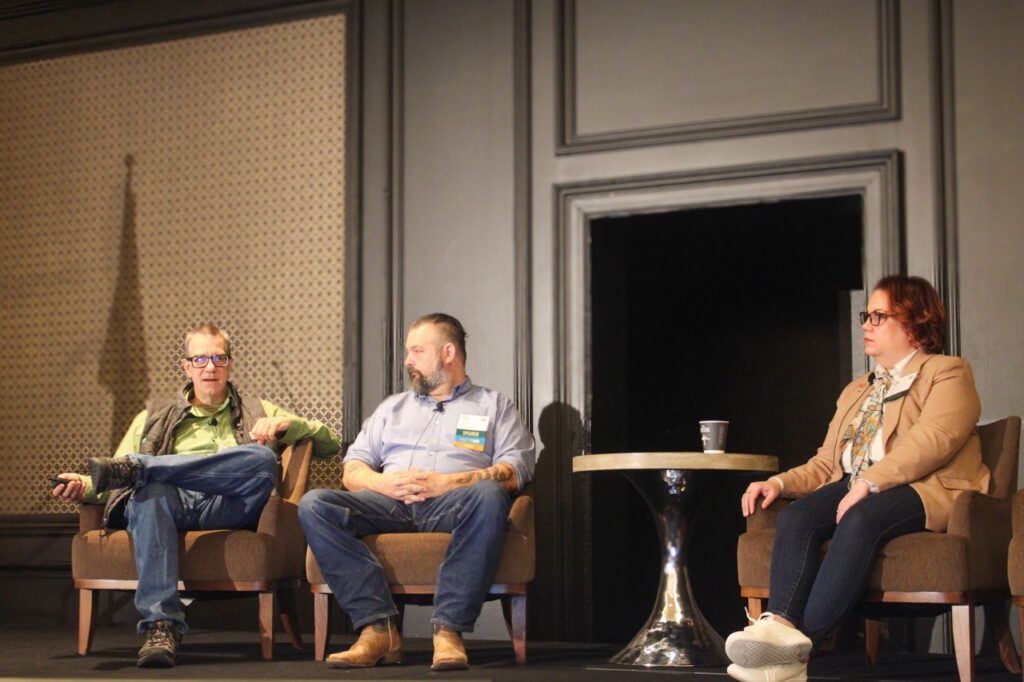
As external pressures continue to evolve, Summit sessions focused heavily on preparedness and risk management. “High Steaks, Real Threats: How Farms Recover After an Attack” featured Andrew Rose with BIO-ISAC, Kristin Demoranville with AnzenSage, and Johnathan Lawler with Rural Strategies Group. The panel examined the rapidly evolving security landscape facing animal agriculture, including cyberattacks, misinformation, activism, and biosecurity risks. Speakers described today’s environment as a “gray zone” where economic pressure, misinformation, and legal challenges increasingly intersect.
The panel also discussed the growing impact of AI-driven misinformation and the speed at which perception can outweigh accuracy, making early communication, documentation, and preparedness essential. Additional concerns included drone activity, cybersecurity vulnerabilities, and targeted activism. Overall, speakers reinforced the importance of proactive risk management through stronger biosecurity practices, crisis planning, and collaboration across the animal agriculture industry and law enforcement agencies to protect agricultural operations and maintain public trust.
“You do not need to be an expert, but you do need to stay informed.” — Demoranville
The conversation around activism continued in “What’s Heating Up: Activism Under the Radar,” featuring Challis Hobbs with the Fur Commission, Dr. Joe Regenstein with Cornell University and Kansas State University, and Tom Albert with the Zoological Association of America. The panel explored evolving animal rights activist strategies and the increasing sophistication of direct-action campaigns targeting animal-based industries, including coordinated disruptions such as trespassing, animal releases, and property damage designed to drive emotional public response.
Speakers discussed how activists identify and target perceived “weak points” in animal agriculture, while emotionally charged language continues to shape public perception and policy debates. The session also highlighted growing legislative pressure at the local, state, and federal levels impacting livestock operations and animal exhibition industries. Overall, panelists emphasized that preparedness through practical security measures, training, and proactive engagement is essential, reinforcing that confidence comes from preparation rather than avoidance.
“Anxiety drops and losses stop in the millions when you talk about and implement preparedness.” – Hobbs
Collaboration Will Shape the Future
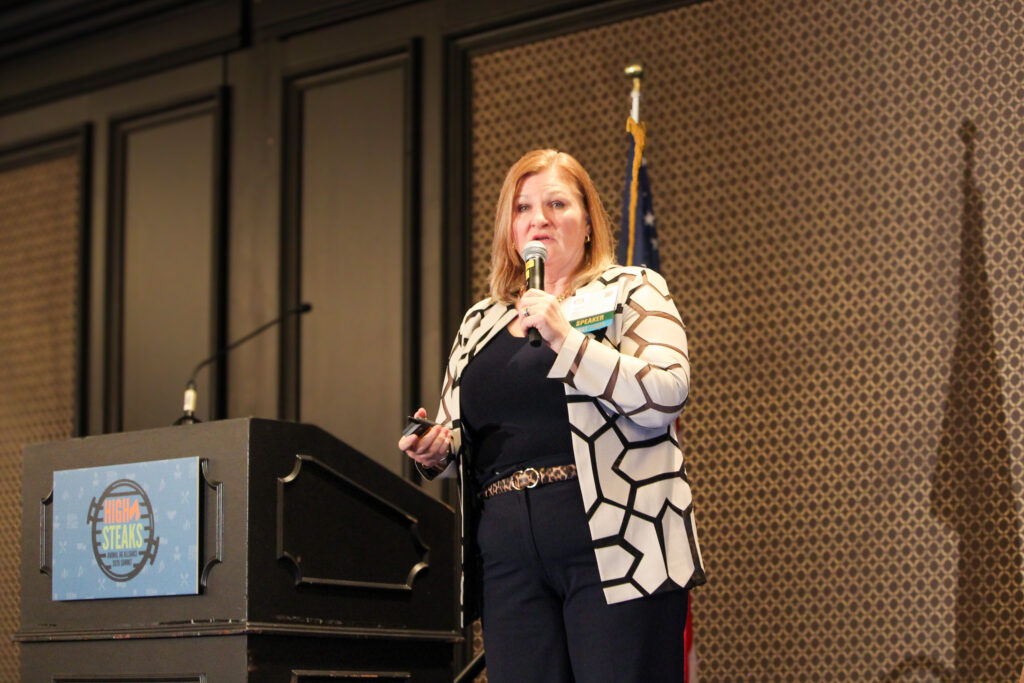
The Summit concluded with an impactful closing keynote from Crystal Mackay, LOTFT32, who emphasized the importance of collaboration, connection, and investing in people across the food chain. Mackay encouraged attendees to break down silos within agriculture and reflected on the strength of the Summit itself, noting how the industry comes together across sectors to collaborate and solve challenges.
She pointed to farm tours as a powerful example of unity and relationship-building, where bringing competitors together in a neutral setting fosters connection and understanding beyond traditional industry silos. Mackay reminded attendees that agriculture is ultimately a people business, encouraging stakeholders to be intentionally curious, build meaningful relationships, celebrate successes, and invest in employees and industry partners to strengthen trust and engagement across the supply chain.
“For our industry to show up, grow, and meet demand, we need to show up and collaborate.” – Mackay
Save the date for the 2027 Stakeholders Summit, slated for May 5–7 in Arlington, Va. Follow the hashtag #AAA27 for updates about the upcoming event.
All posts are the opinion of the author and do not necessarily represent the views of the Animal Ag Alliance.