Farmers and ranchers across animal agriculture are continuously seeking ways to improve their operations. These improvements focus not only on enhancing animal care and resource management but also on strengthening environmental stewardship and ensuring the long-term sustainability of their farms and ranches. Through ongoing innovation and continuous growth, producers are working to responsibly care for their animals, land, and natural resources to help ensure a sustainable future for generations to come.
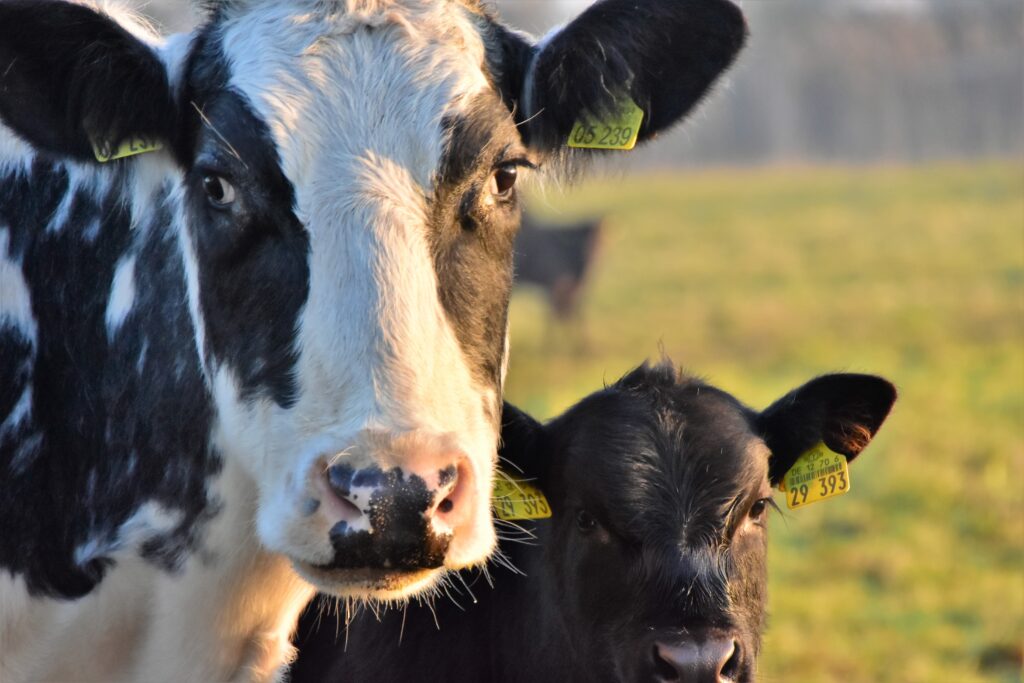
As National Dairy Month comes to a close, it is the perfect opportunity to highlight one of the rising innovations on dairy farms. The phrase “beef-on-dairy” refers to the use of beef genetics in dairy herds to produce calves destined for beef production, and according to the American Farm Bureau Federation, 72% of dairy farms are now incorporating beef genetics into their breeding programs. At its core, beef-on-dairy reflects producers’ ongoing commitment to animal welfare, responsible stewardship, sustainability, and advancing practices that strengthen food production for the future.
A Natural Evolution
Dairy farmers have been using artificial insemination technology for decades as a tool to continuously improve animal health and support responsible management. Artificial insemination has provided producers with access to genetics that improve both the health and efficiency of their animals, such as reducing calving difficulties and increasing longevity. Beef-on-dairy programs are a natural extension of this long-standing practice. In 2020, the American Angus Association created specific multi-trait genetic indexes exclusively for this practice. These tools allow farmers to specifically select for traits such as Calving Ease Direct (CED) to protect the dairy cow, while ensuring the calf has strong growth and muscle development for beef production.
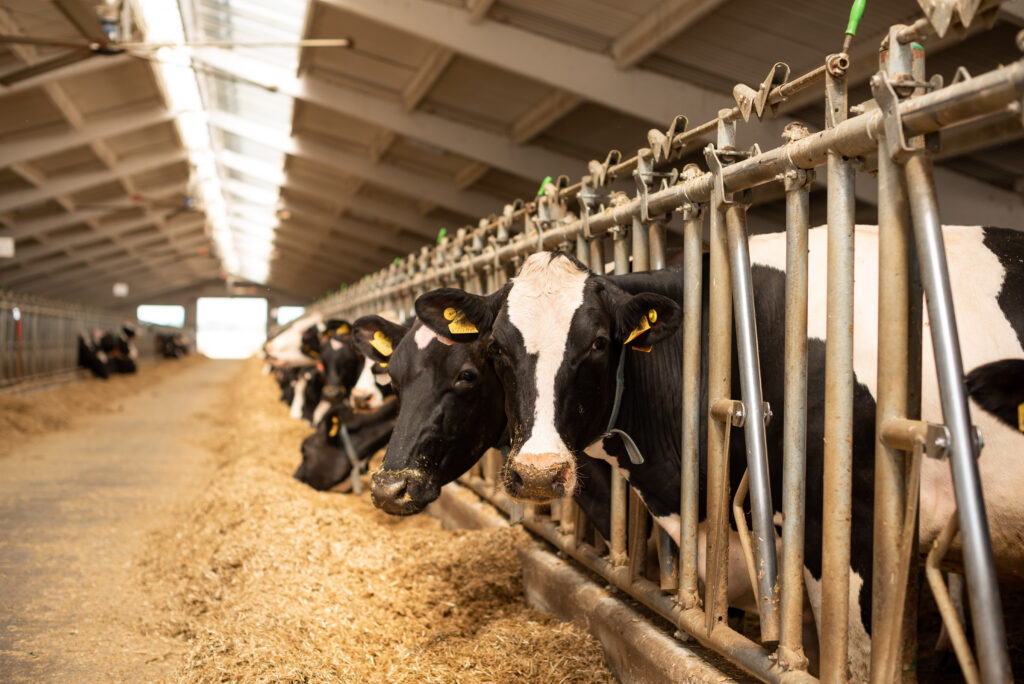
By strategically incorporating beef genetics into dairy herds, farmers can make the most of existing resources while producing both high-quality dairy and beef products. This approach allows producers to maximize the contribution of each animal within the food system, supporting a more efficient and sustainable food supply while helping put both milk in your refrigerator and steak in your freezer.
Healthy Starts, Better Outcomes
However, breeding decisions and genetics are only one piece of the puzzle. The success of beef-on-dairy systems ultimately depends on two key factors: providing calves with a strong start through quality care from day one and responsibly managing the resources needed to support their health, growth, and well-being.
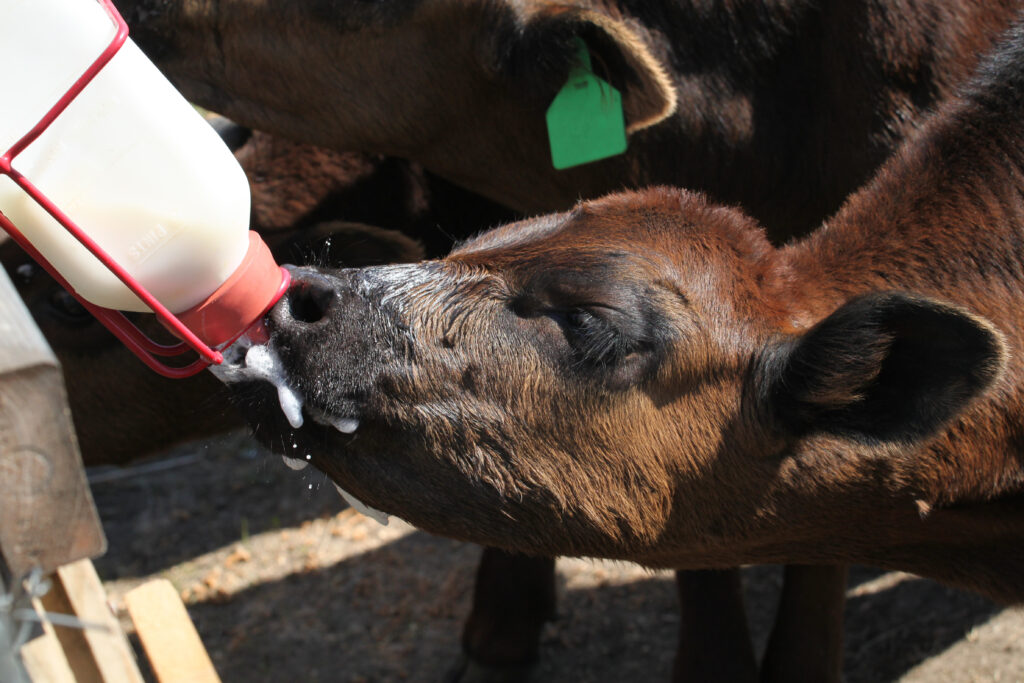
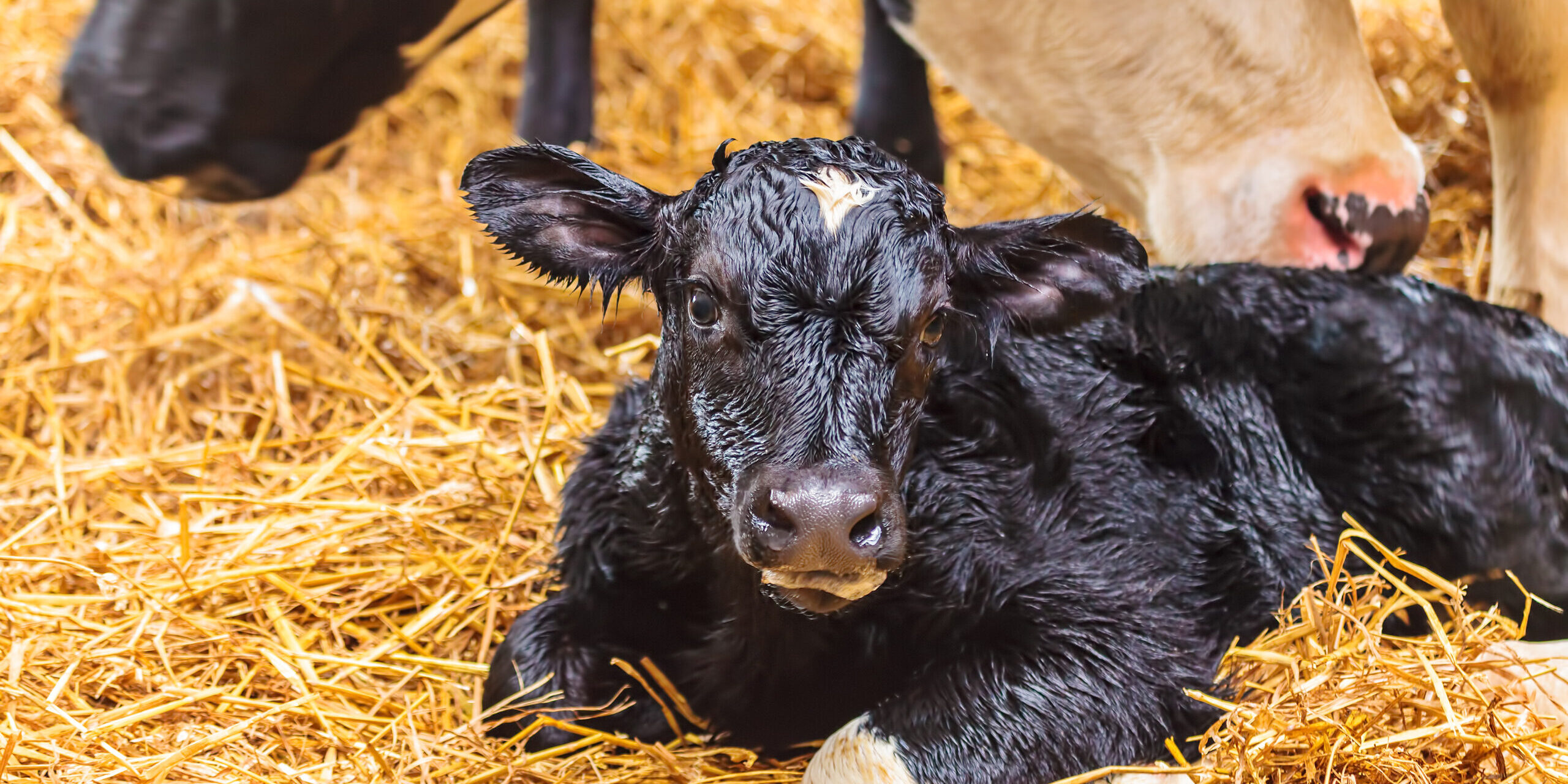
A healthy start is vital for every calf, regardless of its future role. Dairy farmers invest significant time, resources, and expertise in calf care through proper colostrum management, nutrition, housing, health monitoring, and low-stress handling practices. In addition, Purina’s Beef-On-Dairy Industry Report notes that dairy farmers recognize that these beef-on-dairy crosses have different nutritional needs than traditional dairy calves and have adjusted their feeding programs to better support those needs. Those early investments in animal welfare ensure calves get off to a strong start and support their long-term health and well-being. Strong calf care programs not only benefit the animals but also contribute to positive outcomes throughout the food production system.
Making Every Resource Count
Dairy farmers understand that animal welfare and sustainability go hand-in-hand. Healthy, well-cared-for animals are better set up to thrive, allowing producers to make responsible use of the resources dedicated to their care. Preventing illness and supporting overall animal well-being are important goals on their own, but they also contribute to reducing waste and strengthening the overall sustainability of the farm.
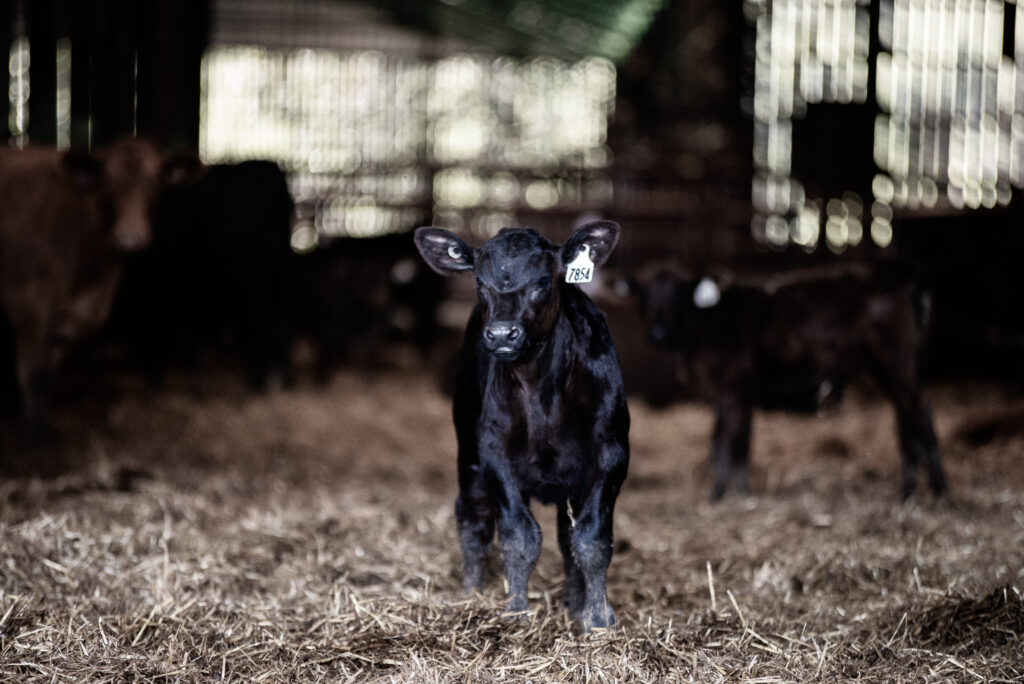
This connection is one reason beef-on-dairy has grown in popularity in recent years. Dairy farms already invest substantial resources into animal care, nutrition, housing, and management. By utilizing these existing operations to generate both milk and beef, producers can significantly increase the total amount of food produced without requiring a separate, parallel production infrastructure. USDA research on livestock resource efficiency highlights that integrating beef and dairy systems allows farmers to dual-purpose their existing infrastructure, creating a highly efficient pathway for protein production. It is a prime example of how farmers are collaborating across animal agriculture to meet food production and environmental sustainability goals by making the most efficient use of available resources.
Innovation for the Future
As consumers celebrate National Dairy Month, beef-on-dairy offers a valuable reminder that innovation in agriculture often happens through continuous improvement. From advancements in calf care to strategic breeding decisions, dairy farmers are continually evaluating new ways to enhance animal care, strengthen stewardship, and sustainably produce food. Beef-on-dairy is more than a breeding strategy; it reflects a commitment to making thoughtful, science-based decisions that support both animals and the long-term sustainability of animal agriculture. This is one example of how dairy farmers continue to adapt, innovate, and build on generations of progress to meet the needs of a growing world.
Sources:
- https://www.fb.org/market-intel/beefing-up-dairy-the-rise-of-crossbreeding
- https://www.angus.org/agi/angus-on-dairy
- https://www.purinamills.com/getmedia/9d58013e-9648-4224-9f63-7c0688fcae40/24-MRE-0229_PrimestartDairyBeefReport_062124_v3_digital-2.pdf
- https://www.ars.usda.gov/ARSUserFiles/30123025/Publications/2024/Vargas%20et%20al%202024_EnvResComm_Net%20zero%20initiative%20in%20US%20beef%20and%20dairy%20systems.pdf
All posts are the opinion of the author and do not necessarily represent the view of the Animal Ag Alliance.