For nearly six decades, the eradication of the New World screwworm stood as one of animal agriculture’s greatest success stories. Through scientific innovation, producer stewardship, and collaboration across the livestock community, veterinarians, and government agencies, the United States eliminated one of the industry’s most destructive pests in 1966—protecting millions of animals from the impacts of this detrimental pest.
Today, that success story has taken on renewed importance.
Following the recent detection of the New World screwworm in the United States, livestock producers, veterinarians, USDA, state animal health officials, and international partners are once again working together to contain and eradicate the pest. While its return presents a serious challenge for animal health and agriculture, history reminds us that this is a challenge the agricultural community has successfully overcome before.
What Is New World Screwworm?
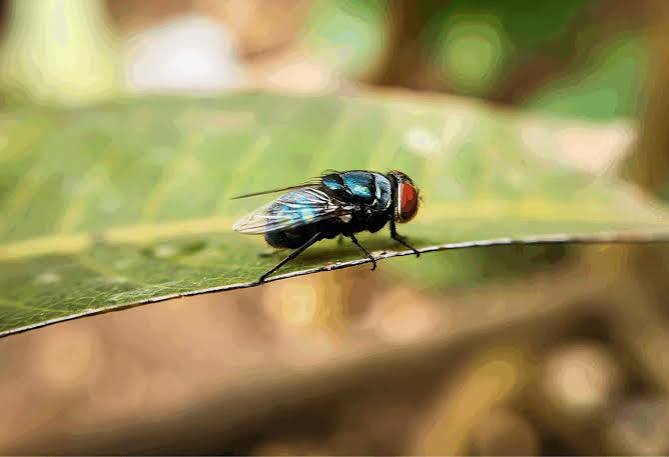
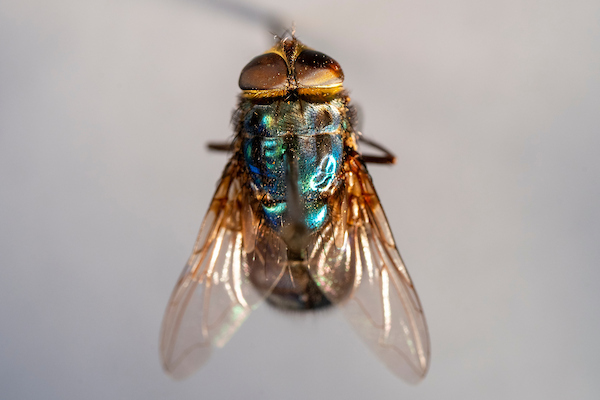
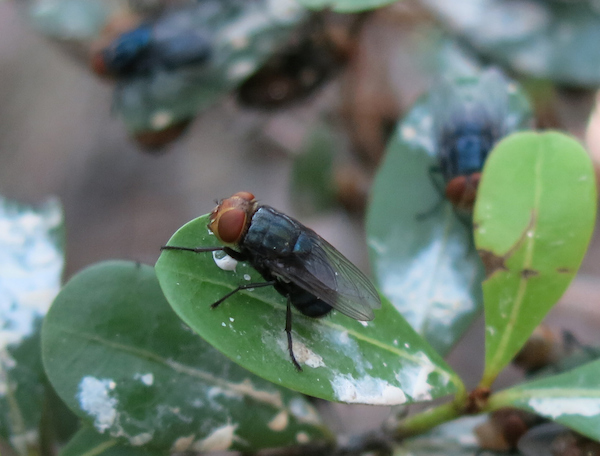
The New World screwworm (Cochliomyia hominivorax) is a parasitic blowfly whose larvae feed on the living tissue of warm-blooded animals. Unlike many fly larvae that feed on dead tissue, screwworm larvae burrow into healthy flesh, causing painful wounds that can quickly worsen if left untreated.
The pest primarily affects livestock—including cattle, sheep, goats, horses, and swine—but it can also infest wildlife, pets, and, in rare cases, people.
It’s important to understand what the New World screwworm is not. It is not contagious and does not spread directly from animal to animal or from animal to person. It is also not a food safety concern. Screwworms cannot be transmitted through meat, poultry, or dairy products. Instead, infestations occur only when an adult female fly lays eggs in an open wound or natural body opening.
Why It’s an Animal Welfare Issue?
The greatest concern surrounding the New World screwworm is its impact on animal welfare. As the larvae feed on living tissue, animals experience pain, tissue damage, and an increased risk of secondary infection. Without prompt treatment, infestations can become severe and may even be fatal.
Because producers care for their animals every day, they are often the first to recognize unusual wounds or changes in behavior. Routine herd checks with daily observation, prompt wound treatment, strong biosecurity practices, and close communication with veterinarians are all essential to protecting animal health and preventing the spread of New World screwworm.
Producer stewardship has always been one of animal agriculture’s strongest defenses against animal disease challenges, and the New World screwworm is no exception.
A Historic Victory for Animal Agriculture
Although today’s discussions about the New World screwworm may feel novel, the agricultural community has spent decades fighting—and defeating—this pest.
During the first half of the twentieth century, the New World screwworm caused devastating livestock losses across the southern United States. Rather than accepting the pest as inevitable, researchers, veterinarians, livestock producers, and USDA partnered to pursue complete eradication.
Their efforts combined surveillance, producer education, animal inspections, and one groundbreaking scientific innovation: the Sterile Insect Technique (SIT).
Scientists raised millions of male screwworm flies and sterilized them before releasing them into the environment. When sterile males mated with wild females, no offspring were produced causing the screwworm population to collapse.
The strategy proved successful and in 1966 the New World screwworm had been eradicated from the United States. Continued collaboration with Mexico and Central American countries pushed the pest farther south, creating a protective barrier that safeguarded North American livestock for decades.
Today, the Sterile Insect Technique remains one of the world’s most successful examples of biological pest control and demonstrates how science-based innovation can solve even the most complex animal health challenges.
Why This Story Matters Today
The recent detection of the New World screwworm has prompted a rapid, coordinated response built on the same science that eliminated the pest nearly 60 years ago. USDA and its partners are once again using the Sterile Insect Technique alongside surveillance, diagnostic testing, animal movement controls, quarantines, and producer outreach to contain affected areas. While today’s tools are more advanced, the foundation of the response remains the same: science, collaboration, and vigilance.
Rather than starting from scratch, today’s response is built on decades of scientific research, field experience, and one of agriculture’s greatest success stories.
Moving Forward Together
The New World screwworm reminds us that protecting animal health is never a one-time accomplishment. It requires ongoing vigilance, strong biosecurity, scientific innovation, and collaboration across the agricultural community. Those efforts not only protect animal welfare but also strengthen the resilience of our food system.
The current response also demonstrates something equally important: agriculture knows how to solve complex animal health challenges. Producers, veterinarians, researchers, government agencies, and international partners have done it before, and they are applying those same lessons today.
The story of the New World screwworm is more than a chapter in agricultural history. It is a reminder of what is possible when producers, veterinarians, researchers, and government partners work together towards a common goal. Through science-based solutions, producer stewardship, and a shared commitment to animal welfare, the agriculture community continues to protect both livestock and the food system that depends on them.
As efforts continue to eradicate the New World screwworm once again, history provides both perspective and confidence. By remaining committed to science, collaboration, strong biosecurity, and exceptional animal care, the agricultural community is well positioned to meet this challenge—just as it has before.
Sources
- Stop Screwworm: Unified Government Response to Protect the United States
- USDA: New World Screwworm
- New World Screwworm Fact Sheet
- The Story of Screwworm Eradication
All posts are the opinion of the author and do not necessarily represent the view of the Animal Ag Alliance.