By Grace Simpson, Manager, Member Relations and Communications, Animal Agriculture Alliance
Animal rights activism is not new to dairy farmers. For years, animal rights activist groups have targeted animal agriculture through protests, campaigns, investigations, corporate pressure, and legislative efforts. What continues to evolve is how these groups are connected, the strategies they use, and the ways they work to influence consumers, companies, and policymakers.
Throughout 2026, the Animal Agriculture Alliance has closely monitored animal rights activist organizations, conferences, campaigns, and emerging trends to help the animal agriculture community understand what is happening and prepare for what may come next. For dairy farmers, staying informed is important. Activist activity may not always begin at the farm level, but campaigns targeting companies, legislation, food production practices, or other sectors of animal agriculture can ultimately have implications throughout the food chain.
Understanding the Animal Rights Activist Network
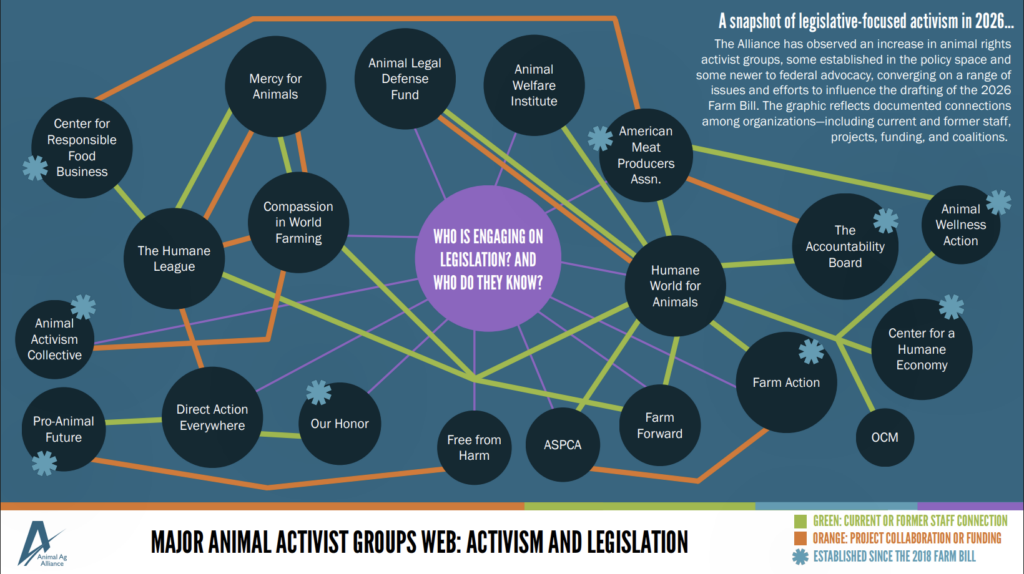
One way to better understand the animal rights activist movement is to look at the connections among the organizations involved. In August of 2026, the Alliance released an updated Major Animal Activist Groups Web, which maps connections among the major animal rights organizations through funding, project collaboration, and the movement of people between these groups.
According to publicly available financial records, the activist organizations included in the web collectively bring in more than $1 billion in annual revenue, a significant increase from the $865 million reported by the Alliance in 2025. That figure represents only the approximately 55 organizations included in the web. Overall, the Alliance tracks more than 280 animal rights activist groups, demonstrating the significant size and resources of the broader movement.
As shown in the accompanying web, these organizations do not always operate independently. Former staff and volunteers move between groups, organizations collaborate on projects and campaigns, and funding connects organizations working toward shared goals. Understanding these interconnected relationships provides important context when a new campaign or initiative emerges. In many cases, what may initially appear to be the work of one organization can be connected to a much broader network.
A Growing Focus on Legislation
This year, the Alliance took our research a step further by developing the new Major Animal Activist Groups Web – Activism and Legislation. The legislative-focused web was developed in response to increased animal rights activist engagement around the Farm Bill and other policy issues affecting animal agriculture. It highlights organizations involved in legislative advocacy and shows how they are connected through staff relationships, collaborative projects, and funding.
Conversations at animal rights conferences monitored by the Alliance provide additional insight into this strategy. At one conference, Todd Kim, partner with Pillsbury Winthrop Shaw Pittman LLP, encouraged attendees to consider “persistence in the way you work with government agencies so that you become a trusted partner.”
Jennifer Eskra, director of legislative affairs for Humane World Action Fund, also discussed her organization’s past work related to the Farm Bill and California’s Proposition 12. Reflecting on the 2014 and 2018 Farm Bills, Eskra said, “We fought hard, us, our allies, across the board,” against provisions intended to affect Proposition 12.
For farmers, these conversations reinforce that animal rights activism does not always look like a protest outside a farm. It can include building relationships with government agencies, mobilizing supporters, advocating for legislation, and working with allied organizations to influence policy.
Tracking Radical Animal Rights Activism
While some organizations focus on legislation and corporate campaigns, the Alliance also monitors more radical activity that can present direct risks to farmers, employees, and animals. The Alliance’s recently published Radical Vegan Activism in 2025 report provides a snapshot of documented direct actions by radical animal rights activists around the world.
The United States was the second-most targeted country, with 311 documented actions in 2025. These included 41 acts of vandalism, 36 animal liberations, 23 incidents of investigative or criminal trespass, 10 blockades and four acts of arson, among other activities. Nearly one-quarter of the documented animal rights extremist attacks targeted farmers and food workers.
For dairy farmers, these numbers are an important reminder to be proactive about farm security. Knowing who is coming onto your property, maintaining cameras and lighting, controlling access points, and ensuring employees know what to do if they notice suspicious activity can help protect animals, employees, and farm families.
Key Takeaways from Animal Rights Activist Conferences
Another important part of the Alliance’s work is attending animal rights conferences and webinars to hear directly from activists about their priorities and strategies. This insight helps keep the animal agriculture community informed about what could be coming down the pipeline, allowing us to be proactive rather than reactive. Several themes have emerged throughout 2026, including using social media to mobilize supporters, expanding methods for gathering farm footage, applying pressure throughout the food chain, and continuing to promote veganism.
Jamie Logan, founder of Jamie’s Corner, an animal rights-focused media project, shared an example of the reach online content can have. According to Logan, one video received more than 20 million views and resulted in more than 2,000 emails to district attorneys. “That’s the power of social media,” Logan said. “This can lead people to take action.”
While the specific video was not detailed in the conference report, Logan’s example demonstrates how quickly online content can move beyond social media. A video or image can reach a large audience and be paired with a call to action encouraging viewers to contact companies, policymakers, law enforcement or other decision-makers. These actions can ultimately have real-world implications for farmers and ranchers and how they operate.
Activists are also discussing additional ways to gather and share content from farms. Ira Moon, investigations manager for Animal Justice, discussed the role drones could play in investigations, particularly when activists cannot obtain footage through undercover activity. “I think drone investigations can play a huge part in telling some stories” Moon said.
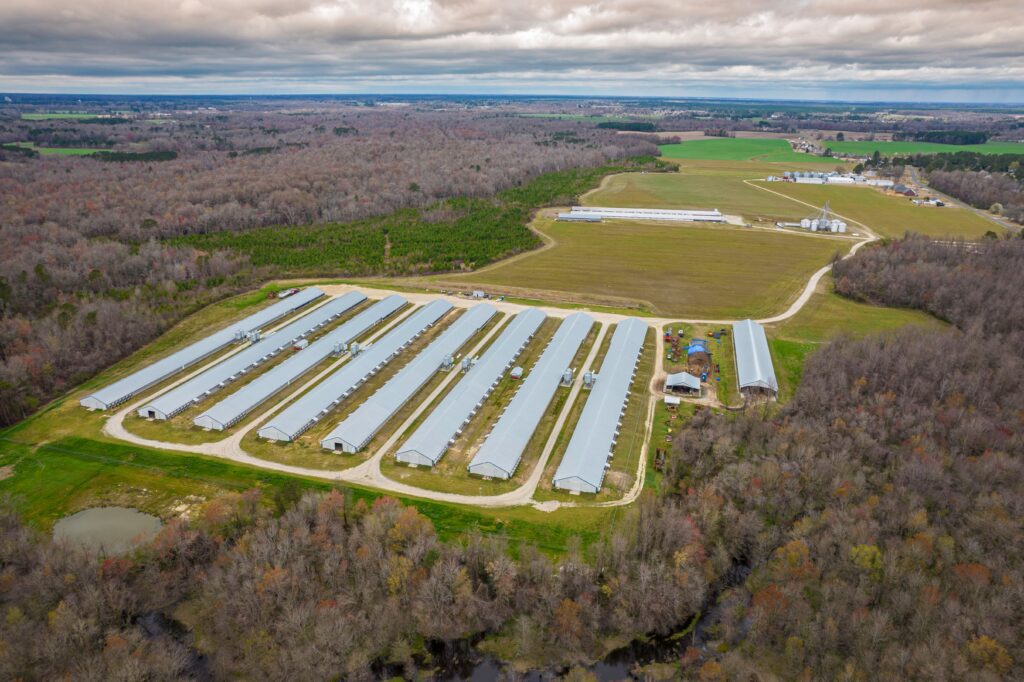
For dairy farmers, this is an important trend to be aware of. Aerial images and videos can be shared with audiences without the context or understanding of farming practices needed to accurately interpret what is being shown. Unauthorized drone activity can also raise concerns related to privacy, biosecurity, employee safety, and overall farm security.
Corporate campaigns remain another priority. Sharon Núñez, president of Animal Equality, described the level of attention activists devote to their campaigns, saying, “There is no such thing as a campaign you don’t get obsessed about.”
While animal rights organizations use different approaches, some continue to be direct about their broader goals. Tracy Reiman, president of People for the Ethical Treatment of Animals, told conference attendees, “We must be crystal clear in our messaging that if you care about animals, you must go try and be vegan.”
Taken together, these conversations provide valuable insight into not only what animal rights activists are focused on, but how they are working to advance their priorities.
Turning Information into Action
So far in 2026, the Alliance has published or updated 30 resources related to animal rights activism, including 10 animal rights activist group profiles, 16 conference and webinar reports and screenshot summaries, and four book and movie alerts. These resources help Alliance members better understand the organizations, individuals, campaigns, and strategies affecting animal agriculture. Group profiles provide background on individual organizations, including their leadership, funding, and current priorities. Conference and webinar reports provide firsthand insight into what activists are discussing, while book and movie alerts help the animal agriculture community prepare for content that may generate media attention, consumer questions or activist activity.
The Alliance also monitors animal rights organizations and emerging issues daily and shares timely information with members when activity could affect their farms, companies, or organizations. The Major Animal Activist Groups Web, legislative-focused web, and Radical Vegan Activism report are all part of that broader effort. By gathering information, identifying trends, and sharing what we learn, the Alliance works to help the animal agriculture community stay informed and prepared.
Dairy farmers can also prepare by reviewing farm security and crisis plans, training employees on how to handle unexpected visitors, and building relationships with local law enforcement and other community partners before an issue arises. Just as importantly, farmers should continue building trust by being open to questions and sharing factual information about animal agriculture and food production. Through social media, consumers are exposed to an overwhelming amount of information, images, and videos every day. Establishing trusted voices and relationships helps provide the context people need when they encounter negative claims about animal agriculture.
Animal rights activist organizations are organized and investing significant resources into influencing conversations about how animals are raised and how food is produced. Animal agriculture needs to be equally intentional about staying informed, preparing potential challenges, and building trust. The Alliance will continue monitoring the animal rights movement, listening to what activists are saying, and turning that information into resources that help dairy farmers and the entire animal agriculture community stay informed and prepared.
Originally published by Progressive Dairy. This article was written by Grace Simpson, manager, member relations and communications of the Animal Agriculture Alliance, and first appeared on Progressive Dairy. It is republished here with permission.